


Ford Trade-In Values in Orange County: A Driver’s Guide
Author: Santa Margarita Ford
Deciding it is time to move on from your current vehicle is a significant financial moment. You might be considering a new Ford or just looking to sell the car you have. The process is often full of questions about your car’s true worth, the right time to sell, and how to get a fair offer. As a dealership deeply embedded in the Rancho Santa Margarita community, Santa Margarita Ford understands the distinct needs of Southern California drivers. Our experience, highlighted by our customer-first philosophy, is centered on helping our neighbors navigate these choices with clarity and confidence.
Key Takeaways (TL; DR)
- Establish Orange County Value First: Before taking any action, determine what your Ford is worth in the specific market of Rancho Santa Margarita and its surrounding cities. Local demand, from the foothills to the coast, heavily influences vehicle valuation.
- Weigh Simplicity Against Profit: Trading in your vehicle at our dealership provides unparalleled speed and tax advantages. A private sale might fetch a slightly higher price, but it comes with considerable time, effort, and safety considerations.
- Tailor Prep for SoCal Conditions: Prepare your vehicle with the Southern California driver in mind. A sun-protected interior, a powerful A/C system, and clean surfaces are as vital as a polished exterior to local appraisers and buyers.
- Gather Your California Paperwork: Having your California Certificate of Title, service records from local shops, and a smog certificate (if required) ready builds trust and accelerates the transaction.
- Negotiate from an Informed Position: Armed with research and multiple local appraisals, you can negotiate effectively. Approaching the trade-in as a separate transaction from your new car purchase ensures you receive the best possible value.
- Capitalize on California Tax Savings: When you trade in a vehicle in California, you can lower the sales tax on your next purchase. This is a considerable financial benefit that is a key factor in your decision.
What Is the First Step When Selling My Ford?
Your initial action should be to determine your Ford’s precise market value within the local Orange County area. Before you can secure a fair price, you need a clear, data-supported understanding of what your car is worth right here in Southern California. This knowledge forms the bedrock of your entire selling journey, whether you trade it in at a dealership in Rancho Santa Margarita or sell it privately to someone in Irvine.
To gain a comprehensive perspective, avoid relying on a single source. Start with respected online valuation tools. Websites like Kelley Blue Book (KBB) and Edmunds deliver estimates based on your car’s make, model, year, mileage, condition, and ZIP code. Be sure to retrieve figures for both “trade-in value” and “private party value,” as these numbers will differ. The trade-in value is generally lower because the dealership absorbs the costs and risks of reconditioning and re-selling the vehicle. The private party value reflects what you might receive by selling it yourself to another driver in Mission Viejo or Lake Forest.
Beyond these digital tools, it is vital to see what similar Ford models are actually selling for in our local market. Spend some time browsing listings on platforms like Autotrader, filtering for vehicles within a 50-mile radius of Rancho Santa Margarita. Look for a 2026 Ford Explorer that mirrors your trim level or a Ford Bronco with comparable mileage. This real-world research helps you validate the online estimates and establish a competitive, realistic price that reflects what your Orange County neighbors are actually paying.
Should I Trade My Ford In or Sell It Privately?
Choosing between trading in your Ford and selling it privately hinges on what you value more: ultimate convenience or maximum profit. A trade-in represents the most direct and streamlined path, ideal for busy individuals who want a seamless transition into their next vehicle. A private sale can often produce a higher selling price but demands a significant investment of your personal time and energy.
Exploring the Trade-In Process at a Dealership
Trading in your Ford at a local dealership offers several powerful benefits for drivers navigating the busy roads of Orange County.
- Unmatched Convenience: This is the primary draw. You can drive your current car to the dealership and leave in your new one, often on the same day. The dealership staff handles all the complex paperwork, from the title transfer with the California DMV to paying off any outstanding auto loan. It’s a true one-stop-shop transaction.
- Significant Time Savings: The entire process can be concluded in just one afternoon. You avoid the drawn-out effort of creating online advertisements, responding to calls and texts from potential buyers (many of whom may not be serious), and arranging test drives around Rancho Santa Margarita or San Juan Capistrano.
- Valuable Tax Advantages: California law provides a major tax benefit for trade-ins. The value of your trade-in is subtracted from the price of your new car before sales tax is calculated. For example, if you purchase a new $50,000 Ford F-150 and your trade-in is valued at $20,000, you only pay sales tax on the remaining $30,000. In Orange County, this can save you over a thousand dollars.
Navigating a Private Sale in Orange County
Selling your Ford on your own is another valid path, driven primarily by the potential for a greater financial return.
- Potentially Higher Selling Price: This is the main incentive for drivers who choose to sell privately. By acting as the marketer and salesperson, you can often ask for a price that is closer to the vehicle’s retail value. You get to keep the difference that would otherwise represent the dealer’s profit margin.
- Complete Control: You manage the entire process from start to finish. You set the asking price, screen potential buyers, and schedule the timing of the sale based on your personal schedule.
- The Inherent Challenges: The tradeoff for a higher price is a substantial amount of work and risk. You are responsible for marketing your car with compelling descriptions and high-quality photos, fielding inquiries, and meeting strangers for test drives. You also must handle the complexities of securing payment safely and completing all legal paperwork correctly with the DMV to avoid any future liability.
Ultimately, the best choice is deeply personal. If your top priority is a simple, secure, and stress-free way to get into a new vehicle while enjoying significant tax savings, a trade-in at a reputable local dealership is an excellent option. If you have the time, patience, and comfort level to manage the sales process yourself to maximize your financial return, a private sale could be more rewarding.
How Can I Prepare My Ford for Sale in Southern California?
Properly preparing your Ford for sale is one of the most impactful things you can do to boost its value and appeal to local buyers, whether that’s a dealership appraiser in Rancho Santa Margarita or a private party from Irvine. A clean, well-maintained vehicle demonstrates that it has been cared for, which justifies a higher valuation. The goal is to present your car in its absolute best condition, which involves cleaning, organizing documents, and addressing minor issues specific to our Southern California environment.
1. Assemble Your Important California Documents
Before you start cleaning, gather all your vehicle-related paperwork. A complete and organized file builds immediate trust and can significantly speed up the sale.
- The Title: Locate your California Certificate of Title. If you have an outstanding auto loan, your lender holds the electronic title (ELT) or a paper copy. You will need to contact your financial institution to get the precise payoff amount.
- Service Records: Collect all maintenance and repair receipts you have. A detailed service history, especially from well-regarded local auto shops or dealerships, proves the car has been properly maintained and can substantially increase its value.
- Smog Certificate: In California, for vehicles older than 4 model years, the seller is legally responsible for providing a valid smog inspection certificate that was issued within the last 90 days. Having this ready shows you are a serious and prepared seller. (Vehicles 4 model years old or newer are exempt).
- Owner’s Manual: Ensure the original owner’s manual is in the glove compartment.
- Vehicle History Report: It is a strong move to purchase your own report from a reputable source like CarFax. This transparency allows you to proactively address any potential issues noted in the report and present them honestly to a potential buyer.
2. Deep Clean Your Vehicle for the Local Climate
First impressions are everything. A spotless car appears newer and better maintained, especially when considering our local lifestyle and climate.
- Exterior Wash and Wax: Give your Ford a thorough hand wash. Pay close attention to the wheels, tires, and glass. After a drive on the 241 Toll Road or a trip to the beach, road grime and salt can accumulate. A fresh coat of wax will make the paint shine under the California sun and protect it from UV damage.
- Interior Detailing: This is where you can make a huge impact. Vacuum the carpets, seats, and trunk meticulously. Use appropriate cleaners for the dashboard, console, and upholstery to remove dust, allergens, and any sand from local beaches. Clean out the glove box and all storage cubbies, removing any personal items. A buyer wants to imagine the car as their own, not see leftover items from a commute on the I-5.
- Odor and Sun Protection: Lingering smells can be a major turn-off. Use a quality odor eliminator or an ozone treatment to neutralize scents. A clean, neutral smell is ideal. Also, check for sun damage on the dashboard or seats and use a conditioner on leather surfaces to show you’ve cared for the interior.
- Engine Bay: A quick wipe-down of the engine bay can make a big difference. It suggests that the vehicle is well-maintained and that there are no leaks.
3. Address Minor Mechanical and Cosmetic Flaws
You do not need to perform a complete mechanical overhaul, but fixing small, noticeable problems offers an excellent return on your investment.
- Warning Lights: If any warning lights are illuminated on your dashboard (like the “Check Engine” light), have a mechanic diagnose the problem. A glowing warning light is a major red flag for any buyer and can significantly lower an appraisal offer.
- Tires and Brakes: Check that the tires have sufficient tread for our dry roads and occasional rainy season and are properly inflated. If the brakes are squealing or grinding, it might be worth getting them inspected by a professional.
- Scratches and Dings: For minor scratches, a touch-up paint pen can work wonders. Small dents from crowded parking lots at The Shops at Mission Viejo can often be fixed cost-effectively by a paintless dent removal service.
- Fluids and A/C: Top off essential fluids like windshield washer fluid. Most importantly, ensure your air conditioning blows ice cold. A weak A/C system is a deal-breaker for any driver facing a hot Santa Ana winds day or a typical August afternoon.
By investing some time in these preparation steps, you are not just cleaning a car—you are actively enhancing its perceived value and making it far more desirable to its next owner.
What Documents Are Needed to Sell My Ford in California?
Having the correct paperwork ready is essential for a smooth and legal transfer of ownership in California. Whether you’re trading in your Ford at our Rancho Santa Margarita dealership or selling it to a private buyer in Lake Forest, being organized with your documents prevents delays and builds confidence. The vehicle’s title is the most critical document, but several others are equally important for a California transaction.
Here is a checklist of the essential documents for selling your car in California:
- California Certificate of Title: This is the single most important document, as it proves legal ownership. If you own the car outright, you will need to sign the back of the paper title to transfer ownership. Be sure to have a photo ID that matches the name(s) on the title.
- Loan Information: If there is an outstanding loan on your Ford, your lender holds the title. You must have the lender’s contact information, your account number, and the 10-day payoff quote. The dealership or private buyer will need this information to clear the lien and get the title transferred into their name.
- Bill of Sale: For a private transaction, a Bill of Sale is a legally important document. It acts as a receipt and records key details, including the sale date, price, vehicle information (VIN, make, model, year), and the names and signatures of both the buyer and seller. The California DMV provides a standard Bill of Sale form (REG 135).
- Notice of Transfer and Release of Liability (NRL): This is a critical step. Within five days of selling the vehicle, you must submit this form to the DMV. This action officially informs the DMV that you no longer own the vehicle, protecting you from liability for any parking tickets, traffic violations, or accidents involving the car after the sale is finalized.
- Smog Certification: As the seller, you are responsible for providing the buyer with a valid smog certificate from a state-licensed inspection station, if the vehicle is 4 model years old or older. The certificate is valid for 90 days from the date of inspection.
- Maintenance Records: While not a legal requirement, a complete file of service records is a powerful tool. These documents from reputable sources like Consumer Reports prove the vehicle has been well cared for, helping you justify a higher asking price.
- Odometer Disclosure: For vehicles less than 20 years old, federal and state law requires you to disclose the vehicle’s mileage upon transfer of ownership. This is usually done on the title itself or on a separate Vehicle/Vessel Transfer and Reassignment Form (REG 262).
For a trade-in at Santa Margarita Ford, our finance and administrative team will expertly guide you through all the necessary paperwork, making the process considerably simpler. For a private sale, the responsibility for gathering and correctly completing these documents falls squarely on you.
How Can I Maximize My Ford’s Trade-In Value?
Maximizing your Ford’s trade-in value is a process of preparation, thorough research, and intelligent negotiation. A dealership’s initial offer is merely a starting point, not the final destination, and you hold considerable influence over that final number. By treating the trade-in as a separate and distinct transaction from the purchase of your new car, you can ensure you get the best possible return for your vehicle.
First, do your homework to establish a strong negotiating position. Use online resources like the NADAguides to get a solid grasp of your car’s trade-in value range in the 92688 ZIP code. However, do not stop with online estimates. Get multiple, real-world offers. Take your Ford to at least two or three different dealerships in the Orange County area for a no-obligation appraisal. This provides you with firm, written offers that become powerful leverage. When a dealership knows you have competing offers, they are more inclined to be competitive to earn your business.
Next, present your vehicle in its absolute best light. As we’ve covered, a meticulously cleaned and detailed car with a full set of service records will always command a better offer. The less reconditioning work the dealership needs to perform to make the car “front-line ready,” the more they can offer you in trade value. Fixing small, inexpensive issues like a burned-out taillight or touching up minor paint chips from freeway driving shows pride of ownership and suggests the car has been well-maintained overall.
Finally, negotiate the trade-in value separately from the new car purchase. Sales professionals often prefer to blend the two negotiations, which can obscure the true value you are receiving for your trade. You should first agree on a price for the new Ford you wish to purchase. Only then should you introduce the trade-in and begin negotiating its value. With your other written offers in hand, you can confidently state, “I’d love to handle the entire deal here, but another dealership has offered me $X for my car. Can you match that figure?” This clear, data-backed approach places you in a position of strength and helps you secure the maximum possible value for your well-cared-for Ford.
What Are the Final Steps in a Private Sale in California?
Properly completing the final steps of a private car sale in California is crucial for protecting both you and the buyer. Once you have agreed on a price, you must manage the payment and paperwork with extreme care to ensure a legal and secure transfer of ownership. Rushing this stage can lead to future legal or financial headaches.
The first and most critical step is to secure payment. The safest method is to meet the buyer at their bank or your own credit union. There, you can witness the buyer obtain a cashier’s check directly from a teller or conduct a wire transfer into your account. Do not accept a personal check, a money order, or a pre-printed cashier’s check, as these are common instruments of fraud. Once you have confirmed the funds are securely in your possession, you can proceed with the paperwork. Never sign over the title until payment is guaranteed.
Next, you will complete the official title transfer. On the California Certificate of Title, you will need to sign where it indicates “Signature(s) of Seller(s).” You must also write in the buyer’s full legal name and address, the exact odometer reading, and the sale date. Any mistakes or cross-outs could void the title, forcing you to apply for a duplicate from the DMV, which causes significant delays.
At the same time, you and the buyer should fill out and sign two copies of a Bill of Sale—one for each of you to keep. This document serves as a formal receipt of the transaction. For additional guidance on vehicle selling regulations, the official California DMV website is an invaluable resource.
Finally, and most importantly, you must protect yourself from future liability. Remove your license plate from the vehicle. In California, the plate belongs to you, not the car. Immediately after the sale is complete, go online and submit a Notice of Transfer and Release of Liability (NRL) to the DMV. This officially informs them that you no longer own the vehicle, absolving you of responsibility for any future tickets, tolls, or legal issues associated with it. Lastly, remember to contact your insurance provider to cancel the policy on the car you just sold.
Frequently Asked Questions (FAQs)
Is it better to sell my Ford to a dealership or privately in Rancho Santa Margarita?
Selling to a dealership like Santa Margarita Ford is better if you prioritize convenience, speed, and the California sales tax advantage on your next purchase. Selling privately in the local market is preferable if your main goal is to get the highest possible price for your vehicle and you have the time and willingness to manage the entire sales process yourself.
What is the best way to get the most money for my trade-in at a local OC dealership?
The best way to maximize your trade-in value is to research its worth using multiple online tools, get firm written offers from several different dealerships in Orange County, and negotiate the trade-in separately after you have agreed on the purchase price of your new Ford. A clean car with complete service records will also command a higher offer.
When selling a car in California, what paperwork do I need?
The essential paperwork includes the California Certificate of Title (signed by the seller), a Bill of Sale, a valid smog certificate (if the vehicle is older than 4 model years), maintenance records, and, if applicable, your auto loan payoff information. You must also submit a Notice of Transfer and Release of Liability to the DMV.
How do I protect myself when selling a car privately in California?
To protect yourself, conduct the payment exchange at a bank to verify funds, complete all sections of the title and Bill of Sale without errors, remove your license plate, and immediately file a Notice of Transfer and Release of Liability form with the DMV to release your legal responsibility for the vehicle.
About Santa Margarita Ford
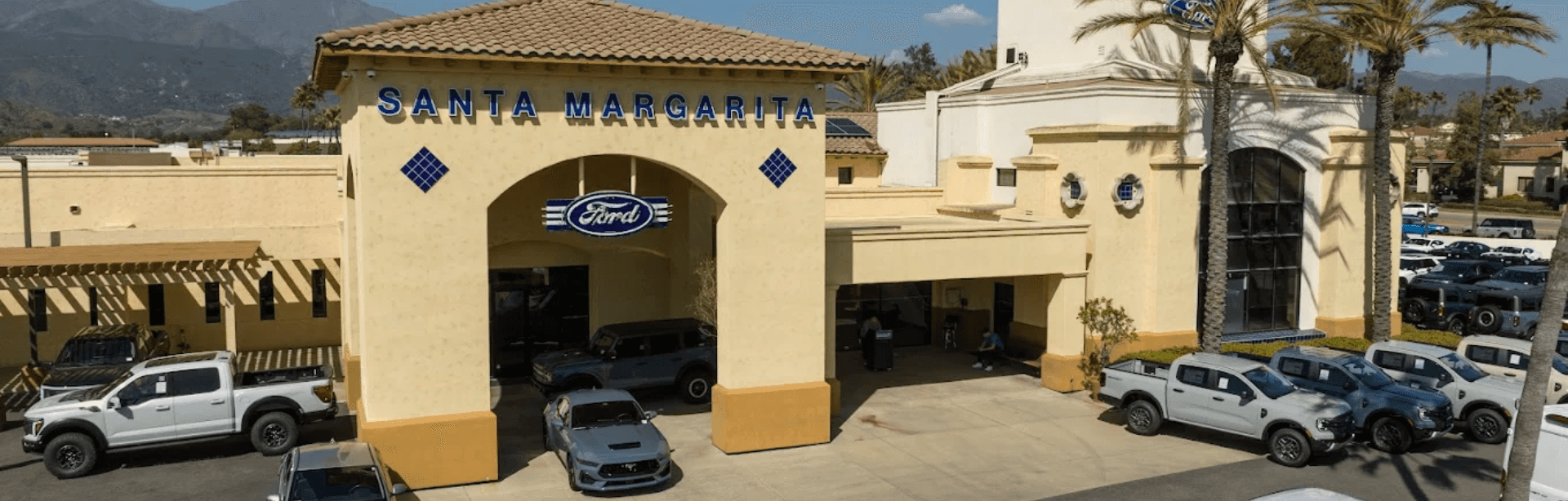
Since 1951, our family-owned dealership, Santa Margarita Ford, has proudly served our community. Our commitment to excellence has earned us the prestigious President’s Award 13 times, a testament to our deep expertise in all things Ford. We make buying and servicing your vehicle easy with options like online purchasing, home delivery, and a pet-friendly showroom for you to enjoy. As active members of our community, we are dedicated to supporting local organizations such as Alzheimer’s of Orange County and the Boys and Girls Club. We invite you to experience the award-winning service and customer care that sets us apart.
0 comment(s) so far on Ford Trade-In Values in Orange County: A Driver’s Guide